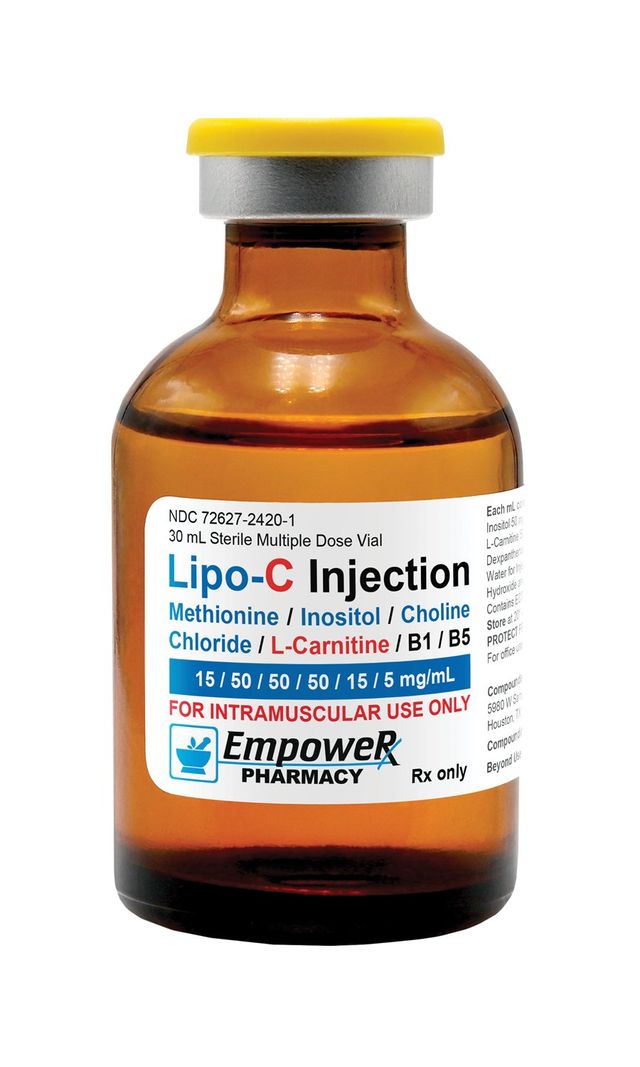
Many peptides remain in research chemical gray areas, not FDA-approved specifically for hair loss but available through compounding pharmacies or clinics for off-label use
Features Benefits: How to Use: Major Ingredients Aqua(Water), Dibutyl Adipate, Diethylamino Hydroxybenzoyl Hexyl Benzoate, Ethylhexyl Triazone, Propanediol, Methylene Bis-Benzotriazolyl Tetramethylbutylphenol, Butyloctyl Salicylate, Diethylhexyl Butamido Triazone, Glycerin, 1,2-Hexanediol, Caprylyl Methicone, Polymethylsilsesquioxane, Poly C10-30 Alkyl Acrylate, Decyl Glucoside, Hydroxyacetophenone, Polyglyceryl-3 Methylglucose Distearate, Tromethamine, Behenyl Alcohol, Caprylyl Glycol, Carbomer, Centella Asiatica Leaf Water, Niacinamide, Acrylates/C10-30 Alkyl Acrylate Crosspolymer, Polyacrylate Crosspolymer-6, Ethylhexylglycerin, Stearyl Alcohol, Arachidyl Alcohol, Sodium Stearoyl Glutamate, Glutathione, Xanthan Gum, Cetyl Alcohol, Butylene Glycol, Dipropylene Glycol, Squalane, Sodium Hyaluronate, Melaleuca Alternifolia (Tea Tree) Leaf Extract, Hippophae Rhamnoides Fruit Extract, Hydrolyzed Collagen, Beta-Glucan, Nelumbium Speciosum Flower Extract, Artemisia Annua Extract, Oryza Sativa (Rice) Extract, Saccharomyces Ferment, Solanum Melongena (Eggplant) Fruit Extract, Hydrogenated Lecithin, Polyglyceryl-10 Oleate, Polyglyceryl-4 Caprate, Asiaticoside, Madecassic Acid, Asiatic Acid Ingredients subject to change at manufacturer's discretion
Exemplary case from study group 4 (no-treatment control)
Ointments are more greasy but stay on the skin better and longer than creams
The redox inactivation of SAL1 promotes the transport of PAP from chloroplasts (and mitochondria) via PAPST transporters to the nucleus where it inhibits exoribonuclease-mediated RNA metabolism (Figure 2 and Supplementary Table 3)