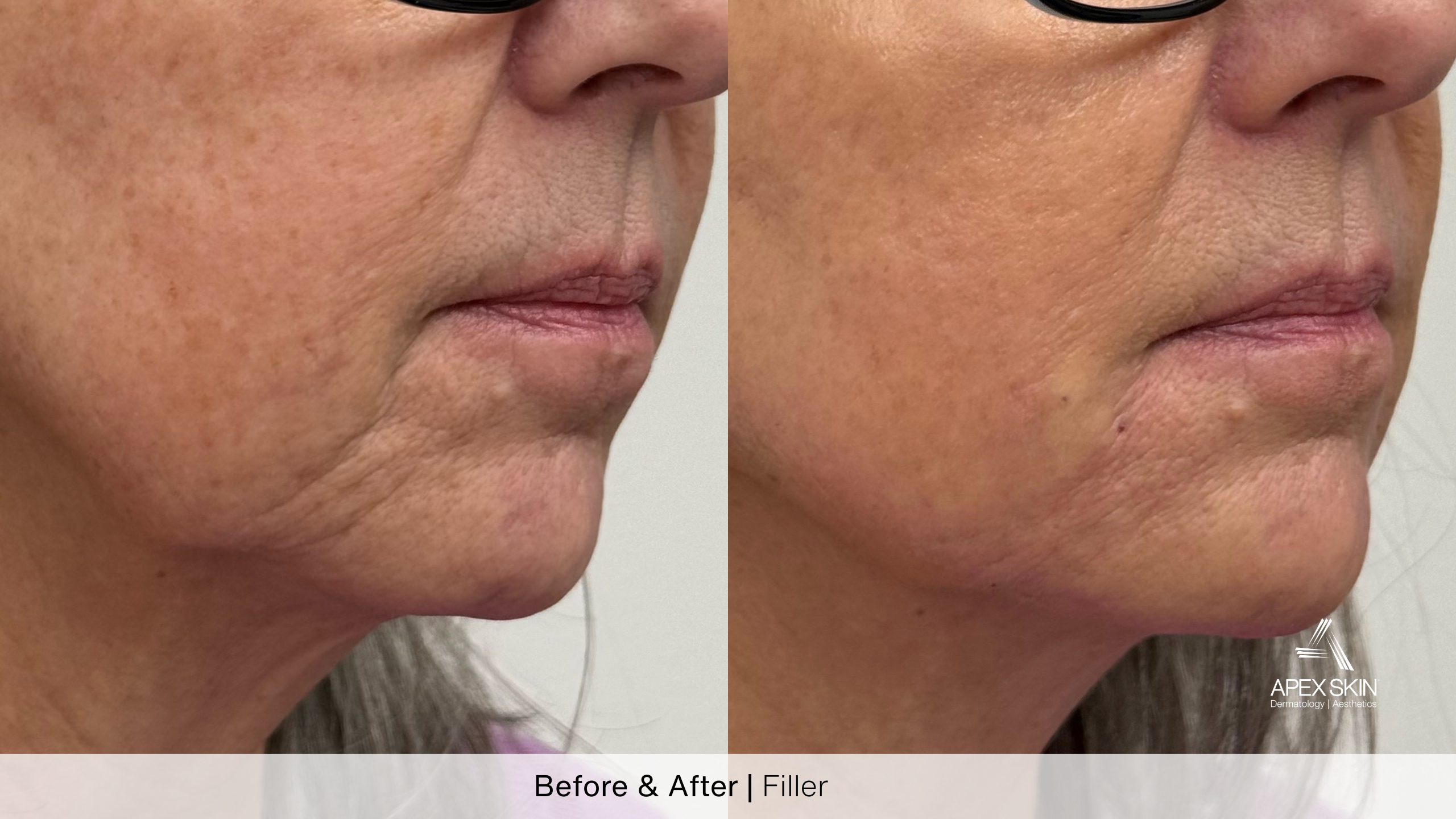
Restoring adipose tissue homeostasis in response to aging: initial clinical experience with Profhilo Structura
Dietary and lifestyle interventions include: Consuming smaller, more frequent meals rather than large portions that increase gastric distension Avoiding late evening meals and maintaining at least a 3-hour interval between dinner and bedtime Limiting foods that relax the lower esophageal sphincter (chocolate, peppermint, high-fat foods, caffeine, alcohol) Reducing acidic and spicy foods that may irritate the esophageal mucosa Elevating the head of the bed by 6-8 inches using blocks or a wedge pillow Maintaining upright posture for at least 2-3 hours after eating Avoiding tight-fitting clothing around the abdomen Smoking cessation (if applicable) Continuing weight loss efforts, as weight reduction is an evidence-based therapy for GERD [16] [21] Pharmacologic management may be necessary for persistent symptoms
If your appetite is still low, think in protein first, comfort second. A small bowl of rice is fine, but adding a little chicken makes it more useful
(PubMed) Loizou GD, Cocker J
Both the Kidney Disease Improving Global Outcomes guidelines and American Diabetes Association Standards of Care recommend GLP1-RA as the preferred glucose lowering class for people with T2D and moderate to advanced CKD or ESRD because of their demonstrated cardiovascular benefits in people with T2D at high risk of cardiovascular disease, which includes CKD 13,14





:max_bytes(150000):strip_icc()/GettyImages-1299286851-18ab6e02931940ad963dda93851b6dc7.jpg)